Lhasa Apso Dog Breed Full Information
The Lhasa Apso stands as one of the most distinguished and ancient dog breeds, carrying with it centuries of Tibetan heritage and mystique. For Indian dog enthusiasts seeking a loyal, intelligent, and spiritually significant companion, the Lhasa Apso represents an exceptional choice that combines elegance with practicality. This comprehensive guide explores everything you need to know about bringing a Lhasa Apso into your Indian home, from their fascinating history to modern-day care requirements.
Origins and Historical Significance of Lhasa Apso

The Lhasa Apso originated in the remote monasteries and palaces of Tibet, where they served as sacred guardians for over a thousand years. These remarkable dogs were bred exclusively by Tibetan monks and nobility, who believed that the souls of deceased monks would inhabit the bodies of Lhasa Apsos before being reborn into higher forms. This spiritual connection made them incredibly precious, and for centuries, they could only be gifted by the Dalai Lama himself.

The name “Lhasa Apso” derives from Lhasa, the capital city of Tibet, while “Apso” likely comes from the Tibetan word “rapso,” meaning “goat-like,” referring to their distinctive shaggy coat. These dogs were known as “Abso Seng Kye,” which translates to “Bark Lion Sentinel Dog,” highlighting their role as alert guardians despite their small stature.
The breed first arrived in the Western world in the 1920s through British explorers and diplomats, and eventually made their way to India through the himalayan trade routes. Today, Lhasa Apsos have found a special place in Indian households, particularly among families who appreciate their unique combination of independence and devotion.
Physical Characteristics and Appearance

Size and Build
Lhasa Apsos are small to medium-sized dogs that typically weigh between 5 to 8 kilograms and stand 25 to 28 centimeters tall at the shoulder. Males are generally slightly larger than females, but both genders maintain a sturdy, well-balanced appearance that reflects their hardy mountain origins.
Distinctive Coat Features
The most striking feature of a Lhasa Apso is undoubtedly their magnificent double coat. The outer layer consists of long, straight, and dense hair that naturally parts along the spine, while the undercoat provides insulation against extreme temperatures. This coat serves as natural protection against harsh weather conditions, making them surprisingly adaptable to various Indian climates.
The coat comes in numerous colors including golden, sandy, honey, dark grizzle, slate, smoke, black, white, brown, and parti-colored combinations. Many Indian families prefer the golden and sandy variations, as these colors are considered particularly auspicious in Indian culture.
Facial Features and Expression
Lhasa Apsos possess distinctive facial features that contribute to their alert and dignified expression. Their dark, almond-shaped eyes peer out from beneath their characteristic hair fall, which naturally covers their forehead and eyes. This hair fall is not merely decorative but serves a practical purpose, protecting their eyes from dust, debris, and harsh sunlight – particularly valuable in Indian environmental conditions.
Their black nose and scissors bite complete their noble appearance, while their pendant ears hang close to their head, covered with abundant feathering that adds to their regal bearing.
Personality Traits and Temperament

Intelligence and Independence
Lhasa Apsos are remarkably intelligent dogs with strong independent streaks inherited from their working heritage in Tibetan monasteries. They were bred to think for themselves while guarding sacred spaces, which translates into modern dogs that are capable of making decisions and solving problems independently. This intelligence makes them excellent companions for Indian families who appreciate a dog that can adapt to various situations without constant guidance.
Loyalty and Protective Nature
Despite their small size, Lhasa Apsos possess the heart of a guardian. They form incredibly strong bonds with their family members and can be naturally suspicious of strangers. This protective instinct makes them excellent watchdogs for Indian homes, as they will alert their families to any unusual activity while maintaining a manageable size for apartment living.
Social Behavior and Family Integration
With proper socialization, Lhasa Apsos integrate beautifully into Indian family structures. They tend to be particularly good with older children who understand how to interact respectfully with dogs. Their calm demeanor and moderate exercise requirements make them suitable for multi-generational households common in Indian families.
However, potential owners should understand that Lhasa Apsos can be somewhat aloof with strangers and may require time to warm up to new people. This characteristic makes early socialization crucial, particularly in the diverse social environment of Indian communities.
We Provide Pet Grooming Services at home








Health Considerations and Common Issues

General Health Profile
Lhasa Apsos are generally healthy dogs with lifespans ranging from 12 to 15 years, making them long-term companions for Indian families. Their robust constitution, developed through centuries of survival in harsh Himalayan conditions, serves them well in various Indian climates.
Climate Adaptation in India
One of the most frequently asked questions by prospective Indian owners concerns how well Lhasa Apsos adapt to Indian weather conditions. Surprisingly, these dogs handle Indian climates quite well, though some considerations are necessary:
Hot Weather Management:
During intense summer months, particularly in northern and central India, Lhasa Apsos may require additional care. Their double coat, while providing insulation, can sometimes cause overheating. Regular grooming to remove excess undercoat and ensuring adequate air conditioning or fan circulation helps them stay comfortable.
Monsoon Care: The humid conditions during monsoon season can lead to skin issues if their coat is not properly maintained. Regular drying after exposure to moisture and maintaining proper grooming schedules becomes essential during these months.
Common Health Concerns
Eye Problems: Due to their prominent eyes and hair fall, Lhasa Apsos can be prone to various eye conditions including progressive retinal atrophy and keratoconjunctivitis sicca (dry eye). Regular eye cleaning and veterinary checkups help prevent and manage these issues.
Hip Dysplasia: While less common in smaller breeds, some Lhasa Apsos may develop hip dysplasia. Maintaining proper weight and providing appropriate exercise helps minimize this risk.
Kidney Problems: Some hereditary kidney conditions can affect the breed, making regular health screenings important, particularly as they age.
Skin Allergies: Indian environmental factors, including dust, pollen, and pollution, can sometimes trigger skin allergies in sensitive dogs. Working with local veterinarians familiar with regional allergens helps manage these conditions effectively.
Grooming and Maintenance Requirements

Daily Grooming Routine
The magnificent coat of a Lhasa Apso requires dedicated daily attention to maintain its beauty and health. Indian owners should establish a consistent grooming routine that includes:
Daily Brushing: Using a pin brush and metal comb, thoroughly brush the entire coat to prevent matting and tangling. Pay special attention to areas that mat easily, such as behind the ears, under the legs, and around the tail.
Eye Care: Clean the area around the eyes daily with a damp cloth to prevent tear staining and remove debris. This is particularly important in dusty Indian environments.
Ear Maintenance: Check and clean ears weekly to prevent infections, especially during humid monsoon periods.
Professional Grooming Options
Many Indian pet owners choose to work with professional groomers who understand the specific needs of long-coated breeds. Professional grooming every 6-8 weeks helps maintain coat health and can include services such as:
- Complete coat trimming and shaping
- Nail trimming and paw care
- Ear cleaning and plucking
- Sanitary trimming for hygiene
- De-shedding treatments during seasonal coat changes
Seasonal Grooming Adjustments
Indian climate variations require seasonal adjustments to grooming routines:
Summer Preparation: Many owners opt for shorter “puppy cuts” during peak summer months to help their dogs stay cool while maintaining the breed’s characteristic appearance.
Monsoon Care: Extra attention to drying and brushing becomes crucial during humid months to prevent skin problems and matting.
Winter Maintenance: Allow the coat to grow longer during cooler months, providing natural insulation while ensuring regular brushing to prevent matting.
Training and Socialization

Understanding the Lhasa Apso Mindset
Training a Lhasa Apso requires patience, consistency, and an understanding of their independent nature. These dogs were bred to think for themselves, which can sometimes be misinterpreted as stubborness. Successful training focuses on building a partnership rather than demanding absolute obedience.
Early Socialization in Indian Context
Given the diverse and bustling nature of Indian communities, early socialization becomes particularly important for Lhasa Apso puppies. Exposure to various sights, sounds, people, and situations helps develop well-adjusted adult dogs. This includes:
- Gradual introduction to street sounds and traffic
- Meeting people of different ages and appearances
- Experiencing various surfaces and environments
- Positive interactions with other pets and animals
Basic Training Essentials
House Training: Lhasa Apsos are intelligent and can be successfully house-trained with consistency. Indian owners living in apartments may want to consider both outdoor training and indoor alternatives like pee pads for extreme weather days.
Leash Training: Given the busy nature of Indian streets and communities, reliable leash training is essential for safety. Start with short, positive sessions and gradually increase duration and complexity.
Basic Commands: Focus on essential commands like “sit,” “stay,” “come,” and “quiet.” The latter is particularly important given their natural alertness and tendency to bark at unfamiliar sounds.
Exercise and Activity Requirements
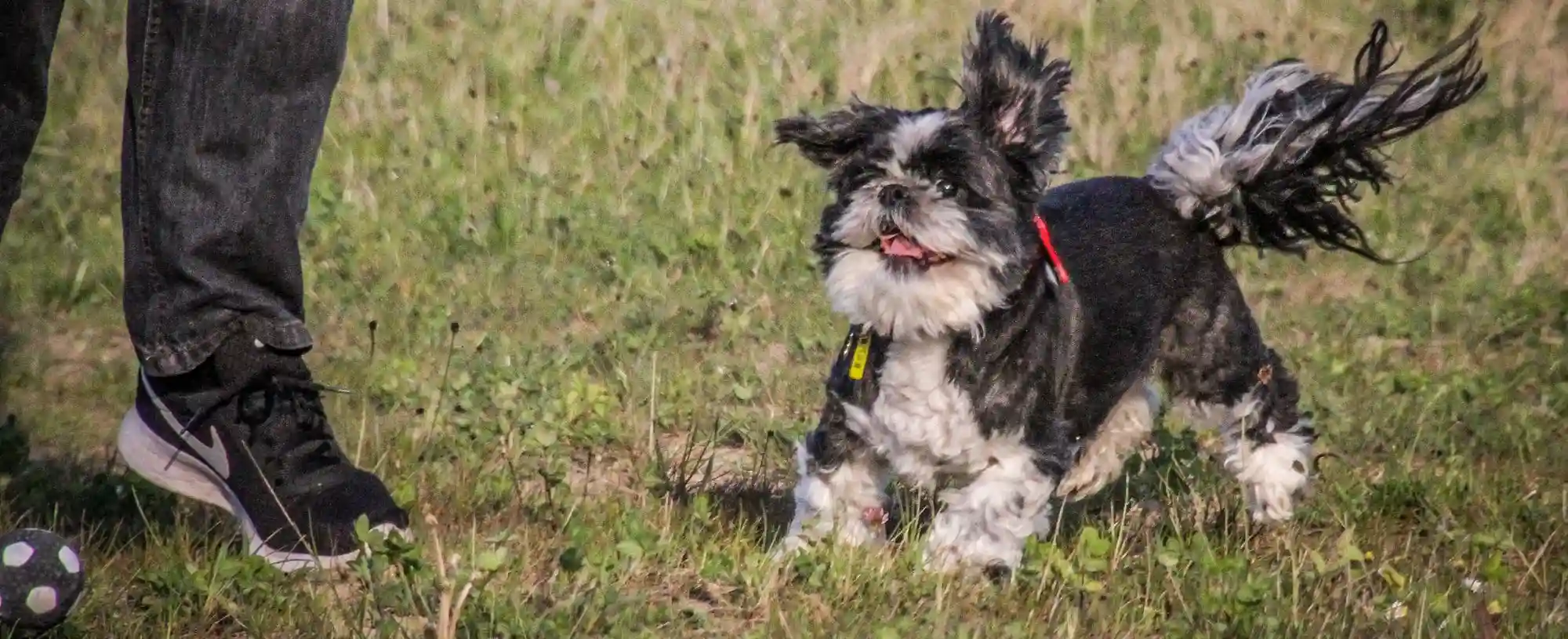
Daily Exercise Needs
Lhasa Apsos have moderate exercise requirements that make them suitable for various Indian living situations. A daily routine typically includes:
Morning Walks: A 20-30 minute walk during cooler morning hours provides physical exercise and mental stimulation.
Evening Activities: Another short walk or play session in the evening helps meet their daily activity needs.
Indoor Play: Interactive games and puzzle toys can supplement outdoor exercise, particularly during extreme weather conditions.
Mental Stimulation Requirements
These intelligent dogs require mental challenges to stay happy and healthy. Indian owners can provide mental stimulation through:
- Puzzle feeders and treat-dispensing toys
- Hide-and-seek games around the house
- Basic training sessions that challenge their problem-solving abilities
- Rotating toy selection to maintain interest
Adapting Exercise to Indian Conditions
Summer Modifications: During intense heat, limit outdoor activities to early morning and late evening hours. Focus on indoor activities during peak temperature periods.
Monsoon Alternatives: Develop indoor exercise routines for days when outdoor activity is not practical due to heavy rainfall.
Pollution Considerations: In areas with high air pollution, consider shorter outdoor sessions and supplement with indoor activities to protect respiratory health.
Nutrition and Feeding Guidelines

Dietary Requirements for Indian Conditions
Lhasa Apsos thrive on high-quality, balanced diets that support their active lifestyle and beautiful coat. In the Indian context, several factors influence nutritional needs:
Climate Considerations: Dogs living in hotter climates may require slightly different nutritional profiles, with emphasis on hydration and easily digestible proteins.
Life Stage Nutrition: Puppies, adults, and senior dogs have different nutritional requirements that must be met through appropriate food selection.
Activity Level Adjustments: More active dogs or those living in multi-story homes with frequent stair climbing may require additional calories.
Feeding Schedule and Portions
Most adult Lhasa Apsos do well with two meals per day, typically consuming between 1/2 to 3/4 cup of high-quality dry food daily, divided into morning and evening meals. However, individual requirements vary based on:
- Age and life stage
- Activity level
- Health status
- Environmental factors
- Individual metabolism
Food Quality and Safety in India
When selecting commercial dog foods in India, prioritize brands that meet international quality standards and are appropriate for small breed dogs. Consider factors such as:
- Protein content and quality
- Absence of harmful additives or fillers
- Appropriate kibble size for small mouths
- Storage considerations in Indian climate conditions
- Local availability and consistency of supply
Cost of Ownership in India
Initial Purchase Costs
The cost of acquiring a Lhasa Apso puppy in India varies significantly based on several factors:
Breeder Reputation: Reputable breeders who conduct health testing and provide proper socialization typically charge between ₹25,000 to ₹60,000 for quality puppies.
Bloodline and Registration: Dogs with champion bloodlines or full registration papers may cost significantly more.
Location Factors: Prices vary between metropolitan areas and smaller cities, with major cities typically having higher costs.
Monthly Maintenance Expenses
Food Costs: High-quality dog food typically costs ₹2,000 to ₹4,000 per month, depending on brand selection and dog size.
Grooming: Professional grooming every 6-8 weeks costs approximately ₹1,500 to ₹3,000 per session, while daily grooming supplies add ongoing expenses.
Healthcare: Regular veterinary care, including vaccinations, health checkups, and preventive treatments, averages ₹3,000 to ₹5,000 annually.
Miscellaneous: Toys, treats, accessories, and replacement items add approximately ₹1,000 to ₹2,000 monthly.
Long-term Financial Considerations
Emergency Healthcare: Setting aside funds for potential emergency veterinary care is wise, as serious conditions can cost ₹10,000 to ₹50,000 or more.
Insurance Options: Pet insurance is becoming more available in India and can help manage unexpected healthcare costs.
Grooming Equipment: Investing in quality grooming tools for daily maintenance can reduce long-term professional grooming costs.
Finding Reputable Breeders in India
Research and Selection Criteria
Finding a responsible Lhasa Apso breeder in India requires careful research and evaluation. Quality breeders demonstrate several important characteristics:
Health Testing: Reputable breeders conduct appropriate health screenings on breeding dogs and provide documentation of results.
Breeding Ethics: Responsible breeders limit breeding frequency, provide proper socialization, and prioritize puppy welfare over profit.
Transparency: Good breeders welcome visits, answer questions thoroughly, and provide references from previous buyers.
Ongoing Support: Quality breeders offer lifetime support and will take back dogs if owners cannot keep them.
Red Flags to Avoid
Puppy Mills: Avoid breeders who have multiple litters available simultaneously or cannot provide health clearances.
Unrealistic Prices: Extremely low prices often indicate poor breeding practices or health issues.
Limited Access: Breeders who refuse to allow visits or meetings with parent dogs may have something to hide.
Pressure Sales: Responsible breeders want to ensure good matches and will not pressure immediate purchases.
Integration into Indian Family Life
Cultural Considerations
Lhasa Apsos integrate beautifully into Indian family structures, particularly in homes where they are appreciated as sentient family members rather than mere pets. Their calm demeanor and spiritual significance resonate with many Indian families who value the deeper connection between humans and animals.
Multi-Generational Households
These dogs often thrive in joint family systems common in India, where they receive attention from multiple family members throughout the day. Their moderate size and gentle nature make them suitable companions for elderly family members, while their playful side appeals to younger household members.
Festival and Celebration Participation
Many Indian families enjoy including their Lhasa Apsos in cultural celebrations and festivals. Their beautiful coats can be adorned with traditional accessories during special occasions, and their naturally dignified bearing makes them wonderful participants in family photographs and celebrations.
Building Community Connections
Lhasa Apso ownership often connects families with local dog communities, including breed clubs, training groups, and social organizations that enhance both dog and owner experiences.
Frequently Asked Questions (FAQ)
Q1: Are Lhasa Apsos suitable for Indian climate conditions?
Answer: Yes, Lhasa Apsos adapt well to Indian climates with proper care. Their double coat provides insulation against both heat and cold, though they may need additional cooling during extreme summer months and protection during monsoons. Regular grooming and climate-appropriate care ensure their comfort year-round.
Q2: How much space does a Lhasa Apso need in an Indian home?
Answer: Lhasa Apsos are well-suited to Indian apartment living due to their moderate size and exercise requirements. They need enough space to move around comfortably indoors and benefit from access to a balcony or small outdoor area, but do not require large yards like some bigger breeds.
Q3: What is the average lifespan of a Lhasa Apso in India?
Answer: With proper care, nutrition, and regular veterinary attention, Lhasa Apsos typically live 12 to 15 years in Indian conditions. Some dogs may live even longer with excellent care and genetics. Their longevity makes them wonderful long-term family companions.
Q4: How often should I groom my Lhasa Apso in Indian weather conditions?
Answer: Daily brushing is essential to prevent matting, especially during humid monsoon periods. Professional grooming every 6-8 weeks helps maintain coat health, with more frequent grooming during shedding seasons. Many Indian owners opt for shorter cuts during summer months for easier maintenance.
Q5: Are Lhasa Apsos good with Indian children?
Answer: Lhasa Apsos can be excellent with children who understand how to interact respectfully with dogs. They prefer older children (above 6-7 years) who are gentle and patient. Early socialization and proper introduction are key to successful relationships between Lhasa Apsos and children.
Q6: What should I feed my Lhasa Apso in India?
Answer: High-quality commercial dog food appropriate for small breeds works well for most Lhasa Apsos in India. Choose foods with good protein content, avoid fillers, and ensure the brand is consistently available. Some owners supplement with home-cooked meals under veterinary guidance.
Q7: How much exercise does a Lhasa Apso need daily in Indian conditions?
Answer: Lhasa Apsos need moderate daily exercise, typically 30-45 minutes split between morning and evening walks when temperatures are cooler. Indoor play and mental stimulation can supplement outdoor exercise during extreme weather conditions.
Q8: Are Lhasa Apsos prone to any specific health issues in India?
Answer: While generally healthy, Lhasa Apsos may experience eye problems, skin allergies triggered by environmental factors, and occasional kidney issues. Regular veterinary checkups, proper grooming, and attention to environmental allergens help maintain good health.
Q9: How much does it cost to maintain a Lhasa Apso in India annually?
Answer: Annual maintenance costs typically range from ₹50,000 to ₹80,000, including food, grooming, veterinary care, and miscellaneous expenses. Initial setup costs and emergency healthcare are additional considerations for budget planning.
Q10: Can Lhasa Apsos be left alone during working hours in Indian households?
Answer: Adult Lhasa Apsos can generally be left alone for 6-8 hours with proper preparation, including exercise before departure, engaging toys, and comfortable environment. However, they are social dogs and prefer having family members around for most of the day.
Q11: Do Lhasa Apsos bark excessively in Indian neighborhoods?
Answer: Lhasa Apsos are naturally alert and may bark at unfamiliar sounds, which is common in bustling Indian neighborhoods. Early training can help manage excessive barking while maintaining their natural watchdog abilities. They typically quiet down once they understand normal neighborhood sounds.
Q12: What vaccinations do Lhasa Apsos need in India?
Answer: Follow standard Indian vaccination protocols including rabies, distemper, parvovirus, hepatitis, and parainfluenza. Additional vaccinations for kennel cough and other regional diseases may be recommended by your veterinarian based on local conditions and risk factors.
Conclusion
The Lhasa Apso represents a perfect blend of ancient wisdom and modern companionship for Indian families seeking a loyal, intelligent, and manageable pet. Their rich Tibetan heritage, combined with their adaptability to Indian conditions, makes them exceptional choices for households that can provide the attention and care these remarkable dogs deserve.
Success with Lhasa Apso ownership in India depends on understanding their unique needs, providing consistent grooming and healthcare, and appreciating their independent yet devoted nature. With proper preparation, research, and commitment, a Lhasa Apso can become a treasured family member that brings joy, companionship, and a touch of ancient mystique to modern Indian homes.
Whether you live in a bustling metropolitan apartment or a spacious family home, the Lhasa Apso’s adaptable nature and moderate requirements make them suitable for various Indian lifestyle situations. Their longevity ensures years of faithful companionship, while their distinctive appearance and personality make them conversation starters and beloved community members.
For Indian families ready to welcome a Lhasa Apso into their lives, the journey promises to be rewarding, filled with the unique joys that come from sharing life with one of the world’s most ancient and spiritually significant dog breeds.