OH MY PET Grooming

How Often Should You Groom Your Dog? Complete Breed-by-Breed Guide

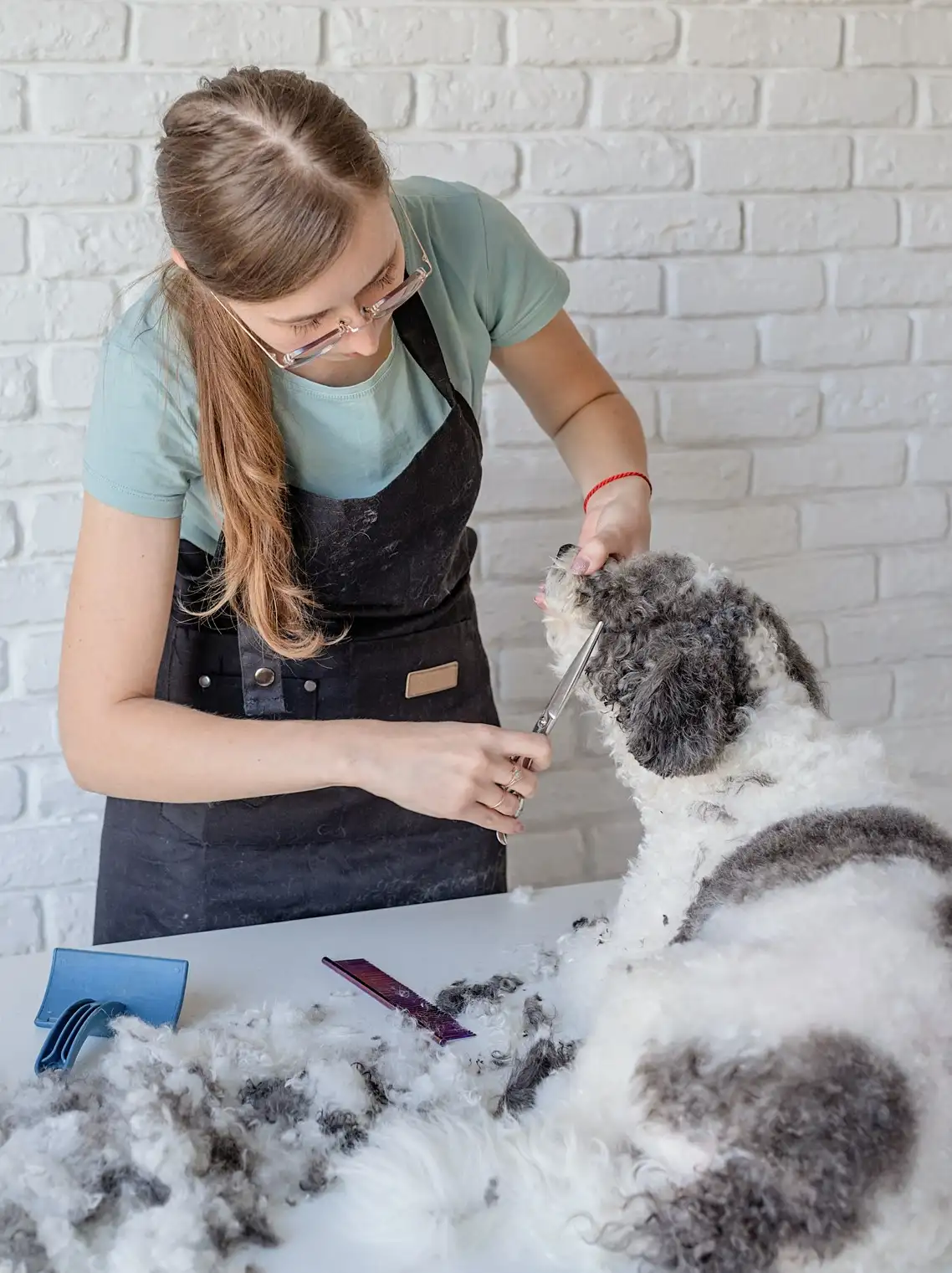
Every dog parent faces the same question: “How often should I groom my furry friend?” The answer isn’t one-size-fits-all. Your dog’s grooming schedule depends on their breed, coat type, lifestyle, and individual needs. Whether you’re visiting a professional pet grooming salon or maintaining your pup at home, understanding the right frequency can keep your dog healthy, comfortable, and looking their best.

Why Regular Dog Grooming Matters

Regular grooming isn’t just about keeping your dog looking adorable (though that’s a nice bonus!). Proper grooming maintains your pet’s health by preventing matting, reducing shedding, and allowing you to spot skin issues early. It also strengthens the bond between you and your four-legged companion while keeping them comfortable in their own skin.

banner

Professional dog groomers often tell pet owners that consistency is key. A well-maintained grooming routine prevents major issues that require extensive work later, saving both time and money in the long run.

Understanding Different Coat Types

Before diving into breed-specific recommendations, let’s understand the basic coat categories that determine grooming frequency:

Short-Haired Coats: These low-maintenance coats require minimal professional grooming but benefit from regular brushing at home. Think Beagles, Boxers, and Bulldogs.

Medium-Length Coats: These versatile coats need moderate attention to prevent matting and maintain their appearance. Golden Retrievers and Border Collies fall into this category.

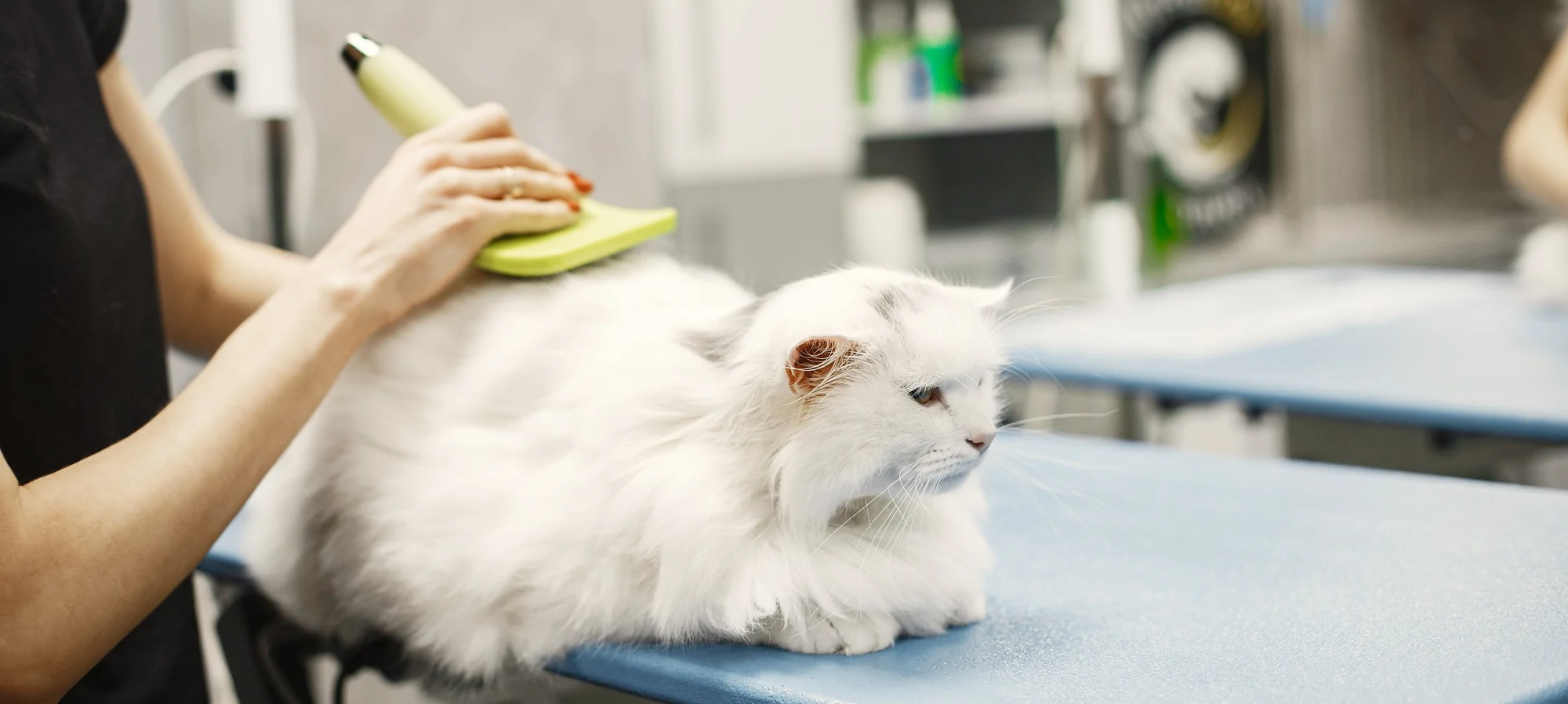
Long-Haired Coats: These glamorous coats demand the most attention, requiring frequent brushing and regular professional grooming to prevent tangles and matting.

Curly and Wire Coats: These unique textures have special needs, often requiring hand-stripping or specific cutting techniques that professional pet groomers handle best.

Double Coats: These weather-resistant coats shed seasonally and need special attention during those periods.

Breed-by-Breed Grooming Schedule

pet grooming brands
Short-Haired Breeds (Every 8-12 Weeks)

Beagles: These energetic hunting dogs have wash-and-wear coats that need professional grooming every 10-12 weeks. Focus on nail trimming, ear cleaning, and occasional baths.

Boxers: Their sleek coats require minimal maintenance. Professional grooming every 8-10 weeks keeps them looking sharp, with emphasis on nail care and facial cleaning.

Boston Terriers: These compact companions need grooming every 8-10 weeks, with special attention to their facial wrinkles and nail maintenance.

Bulldogs (English and French): Despite their short coats, these breeds need professional care every 6-8 weeks due to their skin folds requiring regular cleaning and maintenance.

Medium-Coat Breeds (Every 6-8 Weeks)

Golden Retrievers: These beloved family dogs need professional grooming every 6-8 weeks to manage their water-resistant double coat. Regular brushing at home prevents matting, especially around the ears and legs.

Labrador Retrievers: Labs benefit from professional grooming every 8-10 weeks, with seasonal adjustments during heavy shedding periods in spring and fall.

Border Collies: These intelligent working dogs require grooming every 6-8 weeks, with extra attention to their feathery leg hair and tail plumes.

Australian Shepherds: Their gorgeous double coats need professional attention every 6-8 weeks, with regular home brushing to prevent matting behind the ears and on the legs.

Long-Haired Breeds (Every 4-6 Weeks)

Afghan Hounds: These elegant sight hounds need professional grooming every 4-5 weeks to maintain their flowing coat. Daily brushing at home is essential.

Shih Tzus: These charming lap dogs require grooming every 4-6 weeks to keep their luxurious coats manageable and their eyes clear of hair.

Maltese: Professional grooming every 4-5 weeks keeps these small companions comfortable and prevents their silky coats from becoming matted.

Yorkshire Terriers: These tiny terriers need frequent professional attention every 4-6 weeks, especially if keeping their coats long.

Curly and Wire-Coated Breeds (Every 6-8 Weeks)

Poodles (All Sizes): Standard, Miniature, and Toy Poodles all need professional grooming every 6-8 weeks. Their non-shedding coats continue growing and require regular clipping.

Bichon Frises: These fluffy companions need grooming every 6-8 weeks to maintain their signature powder-puff appearance and prevent matting.

Portuguese Water Dogs: These athletic swimmers require professional grooming every 6-8 weeks, with their coats needing regular trimming to stay healthy.

Wire Fox Terriers: These spirited terriers benefit from professional grooming every 6-8 weeks, often requiring hand-stripping to maintain their coat texture.

Double-Coated Breeds (Every 6-10 Weeks)

German Shepherds: These loyal guardians need professional grooming every 8-10 weeks, with more frequent attention during shedding seasons.

Siberian Huskies: These arctic athletes require grooming every 6-8 weeks, with special attention during their bi-annual coat blowouts.

Chow Chows: Their dense double coats need professional care every 6-8 weeks to prevent matting and maintain skin health.

Samoyeds: These smiling sled dogs benefit from grooming every 6-8 weeks, with their white coats requiring special shampoos to maintain brightness.


Factors That Affect Grooming Frequency

Salon Care

Several factors might require adjustments to your dog’s grooming schedule:

Lifestyle and Activity Level: Active outdoor dogs may need more frequent baths and nail trims, while indoor lap dogs might stretch their appointments longer.

Skin Conditions: Dogs with allergies or skin sensitivities might need specialized shampoos and more frequent professional care.

Age: Senior dogs may need gentler, more frequent grooming sessions, while puppies might need gradual introduction to the grooming process.

Season: Many dogs need extra attention during shedding seasons, typically spring and fall.

Health Status: Dogs recovering from illness or surgery might need modified grooming routines.

Signs Your Dog Needs Professional Grooming

personal care

Watch for these indicators that it’s time to book an appointment with your local pet grooming salon:

  • Visible matting or tangling in the coat
  • Strong odor that doesn’t improve with regular brushing
  • Nails clicking on hard floors
  • Excessive shedding beyond normal seasonal patterns
  • Skin irritation or unusual scratching
  • Difficulty seeing due to overgrown facial hair
  • Ear odor or visible wax buildup

Home Grooming Between Professional Visits

Maintaining your dog between professional appointments extends the time between visits and keeps your pet comfortable:

Daily Brushing: Long-haired and curly-coated breeds benefit from daily brushing to prevent matting.

Weekly Baths: Most dogs don’t need weekly baths unless they’re particularly active or have skin conditions. Over-bathing can strip natural oils.

Regular Nail Checks: Check nails weekly and trim as needed, typically every 2-3 weeks for most dogs.

Ear Cleaning: Weekly ear checks and cleaning prevent infections, especially in breeds with floppy ears.

Teeth Brushing: Daily teeth brushing maintains oral health between professional cleanings.

Choosing the Right Professional Pet Groomer

Finding the right grooming salon makes all the difference in your dog’s experience:

  • Look for certified professional dog groomers with experience in your breed
  • Visit the facility to ensure cleanliness and proper equipment
  • Ask about their approach to anxious or first-time clients
  • Inquire about breed-specific cuts and techniques
  • Check reviews and ask for recommendations from other pet parents

Special Considerations for Puppies

Puppy grooming requires special attention to create positive associations:

  • Start with short, positive sessions focusing on handling and basic care
  • First professional grooming should occur after complete vaccination series
  • Choose groomers experienced with puppies who use gentle, patient techniques
  • Begin with basic services like nail trims and baths before full grooming sessions

Cost-Effective Grooming Tips

Professional dog grooming is an investment in your pet’s health, but there are ways to manage costs:

  • Maintain regular schedules to prevent extensive work that costs more
  • Learn basic home maintenance techniques between visits
  • Consider package deals or loyalty programs at your grooming salon
  • Invest in quality brushes and tools for home use
  • Address small issues before they become major problems

Creating a Grooming Schedule That Works

Work with your professional groomer to create a customized schedule based on your dog’s specific needs. Keep a grooming calendar noting:

  • Appointment dates and services provided
  • Your dog’s behavior and any concerns
  • Seasonal adjustments needed
  • Home maintenance performed between visits

Remember, these guidelines are starting points. Your individual dog may need more or less frequent professional grooming based on their unique characteristics and lifestyle.

Conclusion

Regular professional grooming keeps your canine companion healthy, comfortable, and looking their best. While breed type provides a good starting point for scheduling, your dog’s individual needs, lifestyle, and health status ultimately determine the ideal frequency.

Whether you’re dealing with a high-maintenance Poodle or a wash-and-wear Beagle, consistency in professional care combined with appropriate home maintenance creates the best outcome for your furry family member. Partner with experienced pet groomers who understand your breed’s specific needs and don’t hesitate to adjust the schedule as your dog’s needs change throughout their life.

Your dog’s grooming routine is an investment in their health, comfort, and happiness. By following breed-appropriate schedules and maintaining good communication with your professional grooming team, you’ll ensure your four-legged friend always looks and feels their absolute best.