
How Often Should You Groom Your Dog? | Complete Dog Grooming Guide
Dog grooming is far more than just keeping your furry companion looking presentable. Regular grooming plays a crucial role in maintaining your dog’s overall health, comfort, and well-being. Many pet owners find themselves asking the fundamental question: how often should you groom your dog? The answer depends on various factors including your dog’s breed, coat type, lifestyle, and individual needs.
Understanding proper grooming frequency helps prevent skin issues, matting, infections, and other health problems while strengthening the bond between you and your pet. This comprehensive guide will explore everything you need to know about establishing an effective grooming routine that keeps your dog healthy, comfortable, and looking their best.

Understanding Your Dog's Grooming Needs
Factors That Determine Grooming Frequency
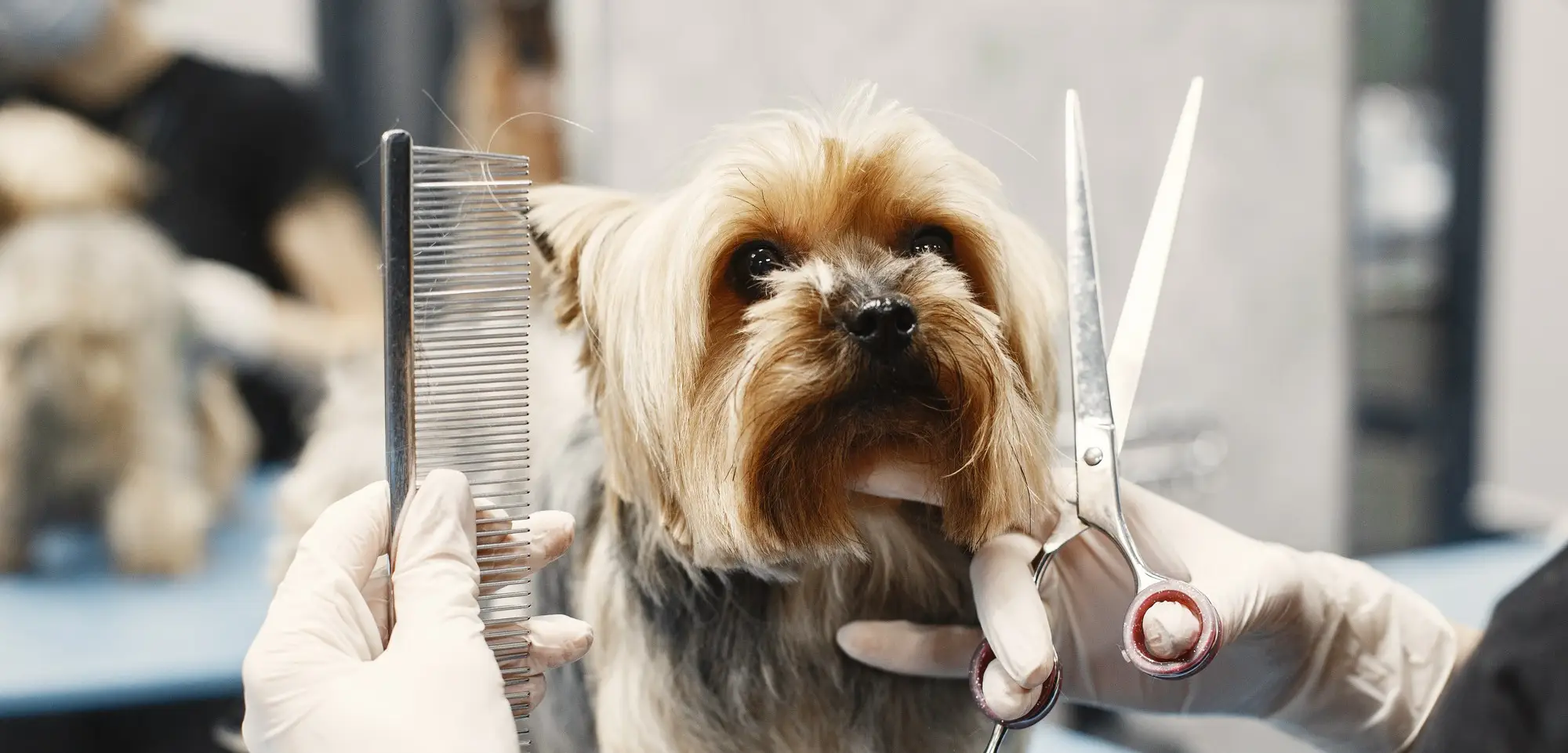
Several key factors influence how often your dog requires grooming attention. Breed characteristics play the most significant role, as different breeds have vastly different coat types and grooming requirements. Double-coated breeds like Golden Retrievers and German Shepherds require more frequent brushing than smooth-coated breeds like Beagles or Whippets.
Your dog’s lifestyle also impacts grooming needs. Active outdoor dogs who spend considerable time running through forests, swimming in lakes, or playing in muddy yards will naturally require more frequent cleaning and maintenance than indoor companion dogs who lead sedentary lifestyles.
Age and health status are additional considerations. Senior dogs may need gentler, more frequent grooming sessions to maintain comfort, while puppies require gradual introduction to grooming procedures to build positive associations with the experience.
Coat Types and Their Specific Requirements
Understanding your dog’s coat type is essential for developing an appropriate grooming schedule. Single-coated breeds have hair that continues growing throughout their lives, requiring regular trimming and professional grooming every six to eight weeks. These breeds include Poodles, Maltese, and Yorkshire Terriers.
Double-coated breeds possess both an outer guard coat and a dense undercoat that sheds seasonally. These dogs benefit from daily brushing during shedding seasons and regular brushing year-round to prevent matting and reduce household hair accumulation.
Wire-haired breeds like Wire Fox Terriers and Airedales require specialized grooming techniques including hand-stripping to maintain their coat texture and appearance. Smooth-coated breeds need minimal grooming but still benefit from regular brushing to distribute natural oils and remove loose hair.
Breed-Specific Grooming Schedules

Short-Haired Breeds
Short-haired breeds including Beagles, Boxers, and Boston Terriers require relatively minimal grooming maintenance. These dogs benefit from weekly brushing sessions using a rubber curry brush or bristle brush to remove loose hair and distribute natural skin oils. Bathing should occur every six to twelve weeks unless the dog becomes particularly dirty or develops an odor.
Despite their low-maintenance coats, short-haired breeds still require regular nail trimming every three to four weeks and weekly ear cleaning to prevent infections. Their grooming routine focuses more on hygiene maintenance rather than coat management.
Medium-Haired Breeds
Medium-haired breeds such as Border Collies, Australian Shepherds, and Cocker Spaniels require more intensive grooming routines. These dogs benefit from brushing every two to three days to prevent matting and tangling, with daily brushing recommended during seasonal shedding periods.
Professional grooming every eight to ten weeks helps maintain coat health and appearance. Regular bathing every four to six weeks keeps their coats clean and manageable, while monthly nail trims and weekly ear cleaning maintain overall hygiene.
Long-Haired Breeds
Long-haired breeds including Afghan Hounds, Maltese, and Shih Tzus require the most intensive grooming routines. Daily brushing is essential to prevent painful matting and tangling. These breeds often benefit from professional grooming every four to six weeks to maintain coat length and style.
Regular bathing every three to four weeks using high-quality dog shampoos helps keep their long coats clean and healthy. Many owners of long-haired breeds choose to keep their dogs in shorter “puppy cuts” to reduce grooming requirements while maintaining comfort and cleanliness.
Double-Coated Breeds
Double-coated breeds like Golden Retrievers, Huskies, and German Shepherds require special attention during seasonal shedding periods. Daily brushing during spring and fall shedding seasons helps remove loose undercoat and prevents excessive hair accumulation in the home.
Year-round maintenance includes brushing every two to three days with appropriate tools like undercoat rakes and slicker brushes. Professional grooming every ten to twelve weeks focuses on undercoat removal and sanitary trimming rather than coat cutting, as these breeds should never be shaved.
Essential Grooming Components and Their Frequency
Bathing Schedule Guidelines
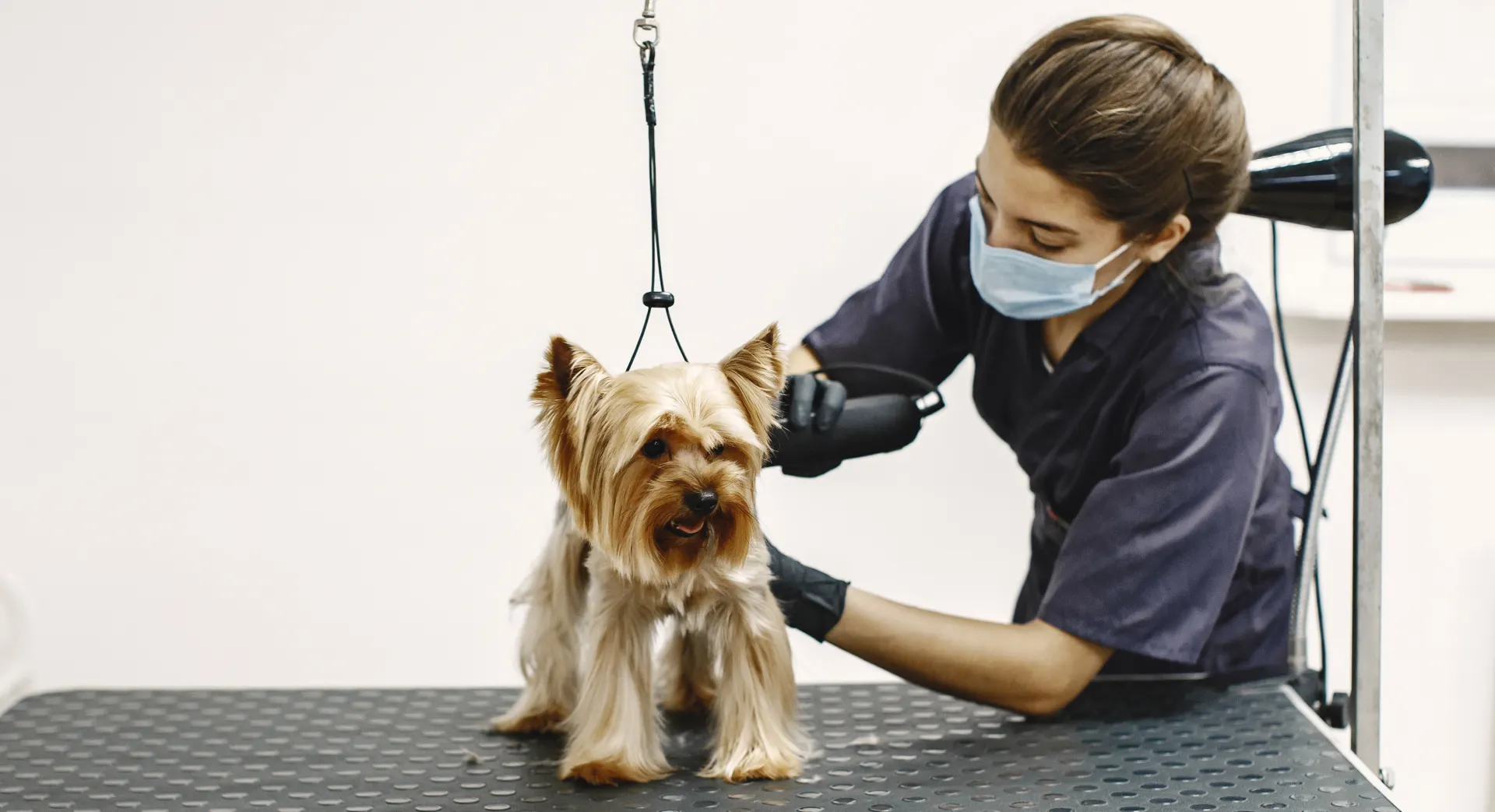
Determining optimal bathing frequency requires balancing cleanliness with skin health. Most dogs benefit from bathing every four to six weeks, though this can vary significantly based on individual factors. Over-bathing strips natural oils from the skin and coat, potentially causing dryness, irritation, and increased susceptibility to skin problems.
Dogs with skin allergies or conditions may require specialized bathing schedules recommended by veterinarians. Some may need medicated baths twice weekly, while others benefit from less frequent bathing to avoid irritation. Always use dog-specific shampoos formulated for your pet’s skin pH levels.
Active outdoor dogs may require more frequent bathing, especially after swimming in chlorinated pools or rolling in dirt. However, rinsing with plain water often suffices for minor dirt removal without stripping beneficial oils from the skin and coat.
Brushing and Coat Maintenance
Regular brushing serves multiple purposes beyond appearance maintenance. It distributes natural oils throughout the coat, removes loose hair and debris, prevents matting, and provides opportunity to check for skin issues, lumps, or parasites. The frequency depends entirely on coat type and individual needs.
Daily brushing benefits most dogs, particularly during seasonal shedding periods. Use appropriate tools for your dog’s coat type, including slicker brushes for long-haired breeds, undercoat rakes for double-coated dogs, and rubber curry brushes for short-haired breeds.
Establish a consistent brushing routine that your dog enjoys. Start with short sessions and gradually increase duration as your pet becomes comfortable with the process. Always brush gently and reward cooperation with treats and praise.
Nail Trimming Requirements
Regular nail trimming prevents overgrowth that can cause discomfort, difficulty walking, and potential injury. Most dogs require nail trims every three to four weeks, though active dogs who walk frequently on concrete may naturally wear down their nails and need less frequent trimming.
Signs that nails need trimming include clicking sounds on hard floors, visible length extending beyond the paw pad, and difficulty maintaining traction on smooth surfaces. Learn proper nail trimming techniques or seek professional help to avoid cutting the quick, which contains blood vessels and nerves.
Some dogs require more frequent attention to their dewclaws, which do not contact the ground during normal walking and therefore do not wear down naturally. Regular inspection helps prevent ingrown nails and associated complications.
Ear Cleaning Protocols
Weekly ear cleaning prevents wax buildup, debris accumulation, and potential infections. Dogs with floppy ears or those who swim frequently require more attention due to reduced air circulation and increased moisture retention. Use veterinarian-approved ear cleaning solutions and cotton balls or pads for gentle cleaning.
Never insert cotton swabs or other objects deep into the ear canal, as this can cause injury or push debris further inside. Focus cleaning efforts on visible areas of the outer ear and ear flap. Watch for signs of infection including odor, discharge, redness, or excessive scratching.
Certain breeds are predisposed to ear problems and may require specialized cleaning schedules or treatments. Consult with your veterinarian if you notice persistent odor, discharge, or signs of discomfort during ear cleaning sessions.
Dental Care Integration
Dental hygiene forms an essential component of comprehensive grooming routines. Daily tooth brushing using dog-specific toothpaste helps prevent plaque buildup, gum disease, and associated health problems. Many dogs gradually accept tooth brushing when introduced properly with patience and positive reinforcement.
Alternative dental care options include dental chews, water additives, and specialized toys designed to reduce plaque accumulation. Professional dental cleanings performed under veterinary supervision may be necessary annually or biannually depending on your dog’s oral health status.
Regular inspection of your dog’s mouth during grooming sessions helps identify potential problems early. Look for signs of dental disease including bad breath, yellow tartar buildup, red or swollen gums, and difficulty eating.
Professional Grooming Versus Home Grooming
Benefits of Professional Grooming Services
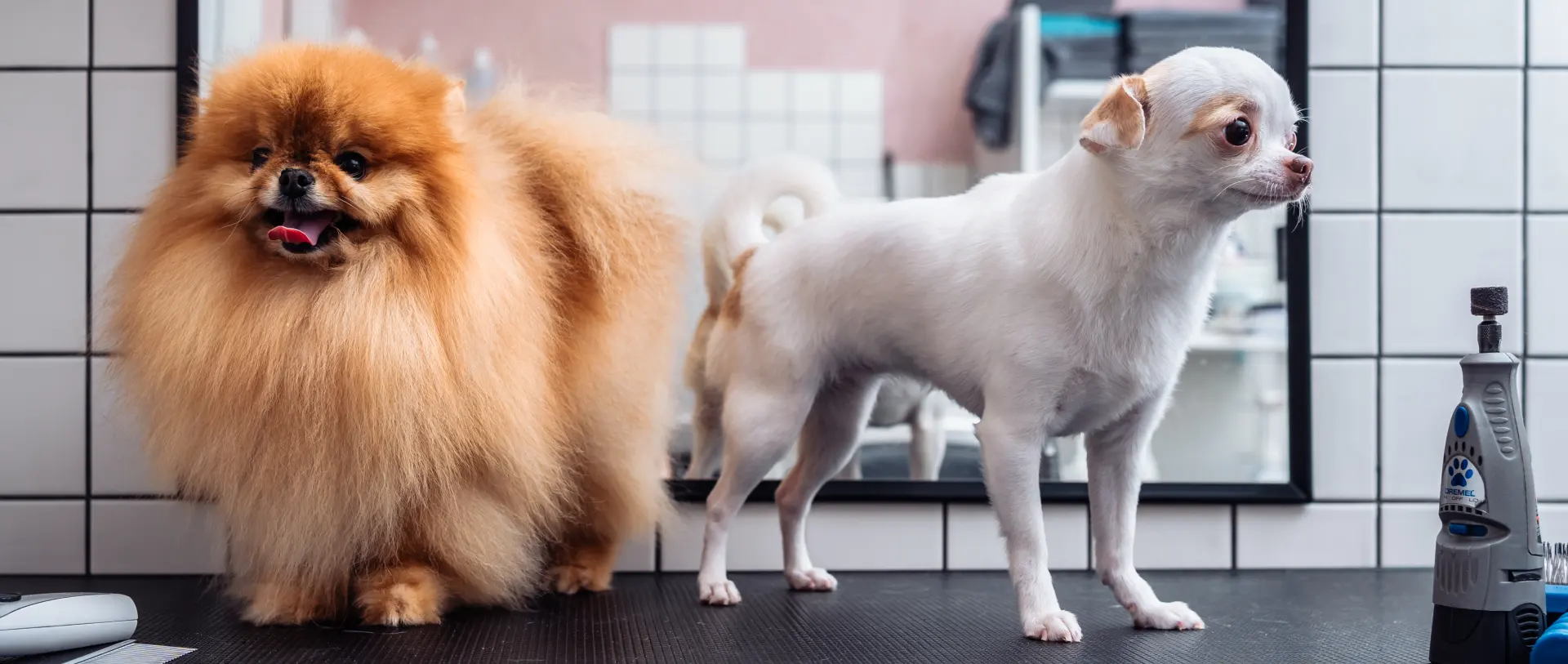
Professional groomers possess specialized training, equipment, and experience that many pet owners lack. They can efficiently handle difficult grooming tasks, identify potential health issues, and provide breed-specific styling that maintains your dog’s appearance and comfort. Professional grooming typically includes comprehensive services such as bathing, nail trimming, ear cleaning, and sanitary area trimming.
Many professional groomers also offer additional services like anal gland expression, teeth cleaning, and flea treatments. They can provide valuable advice about home grooming techniques and recommend appropriate products for your dog’s specific needs.
The professional grooming environment exposes dogs to handling by strangers, which can improve socialization and reduce anxiety during veterinary visits. Regular professional grooming appointments also provide consistent health monitoring by experienced professionals.
Establishing Effective Home Grooming Routines
Home grooming strengthens the bond between you and your dog while providing regular health monitoring opportunities. Start with basic procedures and gradually expand your skills as both you and your pet become more comfortable with the process. Invest in quality grooming tools appropriate for your dog’s coat type and size.
Create a dedicated grooming space with good lighting, stable surfaces, and easy cleanup capabilities. Establish consistent routines that your dog can anticipate and prepare for mentally. Always maintain a calm, patient demeanor during grooming sessions to create positive associations.
Practice handling exercises regularly, even when not grooming, to maintain your dog’s comfort with being touched, examined, and manipulated. This preparation makes actual grooming sessions more pleasant and efficient for both parties involved.
Combining Professional and Home Care
The most effective grooming routines typically combine professional services with consistent home maintenance. Professional grooming every six to eight weeks handles intensive procedures like coat trimming, thorough cleaning, and specialized treatments, while home grooming maintains cleanliness and comfort between appointments.
Communicate openly with professional groomers about your home grooming routine, any concerns about your dog’s skin or coat condition, and specific styling preferences. They can provide personalized recommendations for home care products and techniques that complement their professional services.
Consider seasonal adjustments to your grooming routine. Summer may require more frequent professional grooming to keep dogs cool and comfortable, while winter grooming focuses on maintaining coat insulation and preventing ice accumulation between toes and in long hair.
Seasonal Grooming Considerations
Spring Grooming Preparation
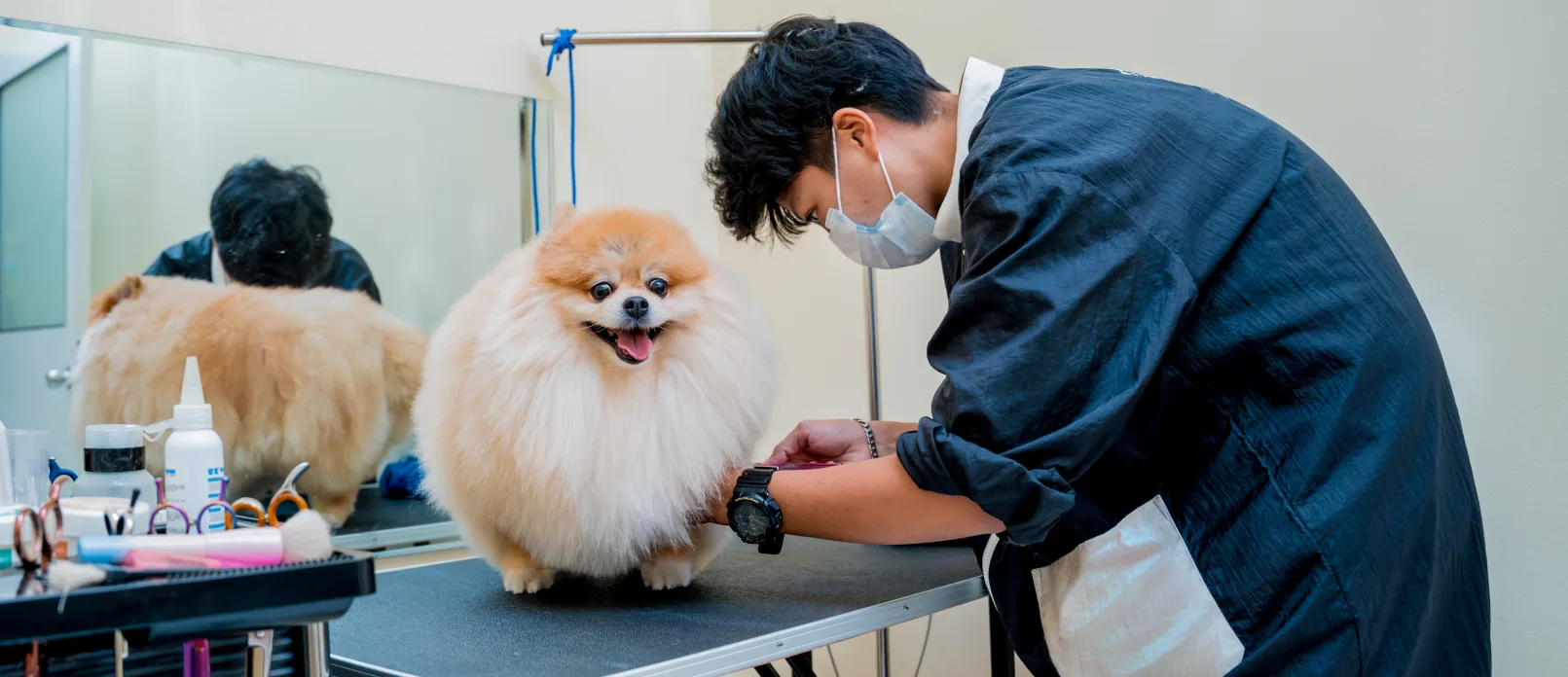
Spring brings increased shedding for most dogs as they lose their winter coats. Double-coated breeds require daily brushing during this period to manage excessive hair loss and prevent matting. Professional grooming appointments may be necessary more frequently during spring months to handle undercoat removal effectively.
Spring also marks the beginning of flea and tick season in many regions. Incorporate parasite prevention into your grooming routine through regular inspection and appropriate preventive treatments. Check for winter-related skin issues such as dryness or hot spots that may have developed during indoor heating season.
Gradually increase outdoor activity and grooming frequency as weather improves. Dogs who spent winter months primarily indoors may need time to readjust to outdoor conditions and associated grooming requirements.
Summer Grooming Adjustments
Summer heat requires special grooming considerations to keep dogs comfortable and prevent overheating. Many owners opt for shorter coat styles during hot months, though double-coated breeds should never be shaved as their coats provide insulation against both heat and cold.
Increased outdoor activity and swimming may necessitate more frequent bathing and paw care. Check and clean paws regularly to remove debris, salt from sidewalks, and potential irritants. Consider protective paw balms if your dog walks frequently on hot pavement.
Summer grooming should include regular inspection for parasites, skin irritation from increased sun exposure, and heat-related stress indicators. Maintain adequate hydration during grooming sessions and avoid intensive grooming during peak heat hours.
Fall and Winter Preparations
Fall grooming focuses on preparing your dog’s coat for winter weather. Allow coats to grow longer for outdoor dogs while maintaining cleanliness and preventing matting. Professional grooming appointments may be spaced further apart to preserve insulating coat length.
Winter grooming challenges include ice accumulation in paw pads and long hair, salt irritation from sidewalk treatments, and dry skin from indoor heating. Regular paw cleaning and application of protective balms help prevent ice buildup and chemical irritation.
Monitor skin condition closely during winter months when indoor heating reduces humidity levels. Consider using humidifiers in your home and adjusting bathing frequency to prevent excessive drying of skin and coat.
Health Benefits of Regular Grooming
Early Disease Detection
Regular grooming sessions provide excellent opportunities for health monitoring and early disease detection. Consistent handling allows you to notice changes in your dog’s skin condition, detect lumps or bumps, and identify potential problems before they become serious health issues.
During grooming, examine your dog’s entire body systematically, checking for unusual odors, discharge, swelling, or changes in skin color or texture. Look for signs of parasites, cuts, scrapes, or other injuries that may require veterinary attention.
Early detection of health issues through regular grooming often leads to more successful treatment outcomes and reduced veterinary costs. Many serious conditions are much more manageable when caught in their early stages through consistent monitoring.
Skin and Coat Health Maintenance
Proper grooming maintains healthy skin and coat condition through removal of dead hair, distribution of natural oils, and stimulation of blood circulation. Regular brushing prevents matting that can trap moisture and bacteria against the skin, leading to infections and hot spots.
Appropriate bathing frequency helps maintain the natural balance of skin oils while removing dirt, allergens, and potential irritants. Using quality grooming products formulated for dogs protects the skin’s natural barrier function and prevents unnecessary irritation.
Grooming also provides opportunities to apply preventive treatments such as flea and tick prevention, skin conditioners, and protective balms that maintain coat health and prevent problems before they develop.
Behavioral and Bonding Benefits
Regular grooming sessions strengthen the bond between you and your dog through positive physical contact and shared activities. Dogs who are comfortable with grooming procedures are generally easier to handle during veterinary examinations and medical procedures.
The routine nature of grooming provides structure and predictability that many dogs find comforting. Well-groomed dogs often display increased confidence and comfort in social situations, as they feel clean and comfortable in their own skin.
Grooming also provides mental stimulation and can serve as a calming activity for anxious dogs when approached with patience and positive reinforcement techniques.
Common Grooming Mistakes to Avoid
Over-Grooming and Its Consequences
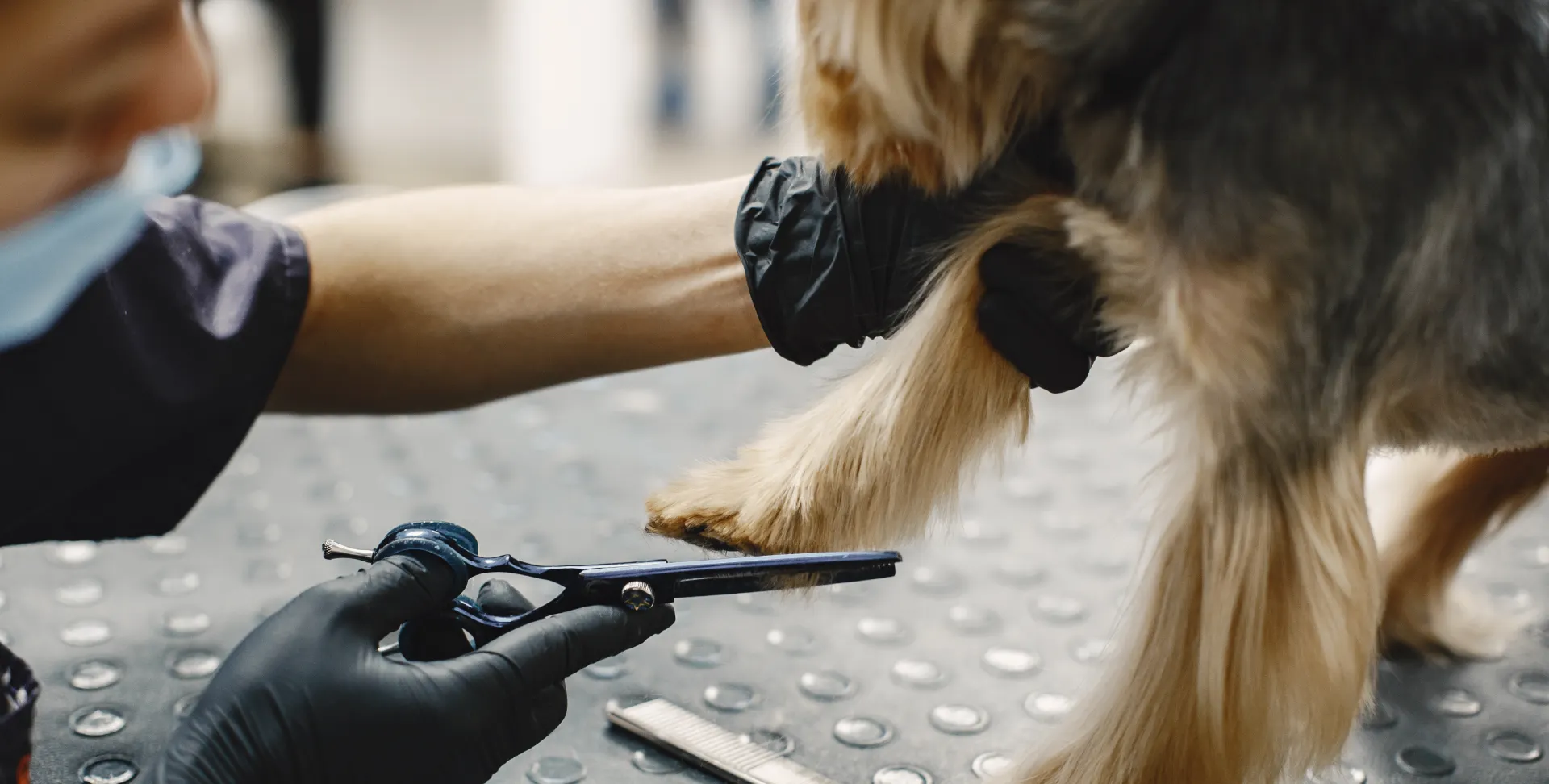
One of the most common grooming mistakes involves excessive bathing and brushing that can damage the skin and coat. Over-bathing strips natural oils from the skin, leading to dryness, irritation, and increased susceptibility to infections. Most dogs do not require weekly baths unless specifically recommended by a veterinarian for medical reasons.
Similarly, excessive brushing with inappropriate tools can cause brush burn, skin irritation, and coat damage. Use gentle techniques and appropriate tools for your dog’s coat type. Pay attention to your dog’s body language and stop if they show signs of discomfort or stress.
Recognize that some shedding is natural and healthy. Attempting to eliminate all loose hair through excessive grooming can actually stimulate increased shedding and cause skin problems. Focus on maintaining coat health rather than achieving perfection.
Using Inappropriate Products and Tools
Using human grooming products on dogs can cause serious skin irritation and health problems. Dog skin has a different pH balance than human skin, requiring specially formulated shampoos and conditioners. Never use human products on your dog, even in emergency situations.
Choosing inappropriate grooming tools can also cause problems. Wire brushes designed for large dogs can injure small dogs’ delicate skin, while soft brushes may be ineffective on thick, double coats. Research appropriate tools for your dog’s specific coat type and size.
Dull or damaged grooming tools can pull hair and cause discomfort rather than providing effective grooming. Maintain your tools in good condition and replace them when they become worn or damaged.
Ignoring Signs of Stress or Discomfort
Many dogs experience anxiety or stress during grooming procedures, particularly when first learning to accept handling. Recognizing and respecting your dog’s comfort levels prevents negative associations with grooming and makes future sessions more pleasant for everyone involved.
Signs of stress during grooming include panting, drooling, trembling, trying to escape, or aggressive behavior. If your dog shows these signs, take a break and reassess your approach. Consider shorter sessions, more rewards, or professional help to address grooming anxiety.
Never force a dog to endure grooming procedures if they are showing signs of extreme stress or fear. This can create lasting negative associations and make future grooming increasingly difficult. Patience and positive reinforcement are essential for successful grooming experiences.
Creating Your Dog's Personalized Grooming Schedule
Assessment and Planning
Developing an effective grooming schedule starts with honest assessment of your dog’s individual needs, your available time, and your grooming skills. Consider your dog’s breed, coat type, lifestyle, and any special health requirements when planning their grooming routine.
Create a realistic schedule that you can maintain consistently rather than an ambitious plan that becomes overwhelming. Consistency is more important than perfection when establishing grooming routines. Start with basic procedures and gradually expand your routine as both you and your dog become more comfortable.
Document your dog’s grooming schedule and any observations about their skin, coat, or behavior during grooming sessions. This information helps track patterns and identify optimal grooming frequencies for your individual pet.
Adapting Schedules as Dogs Age
Grooming needs often change as dogs age, requiring adjustments to established routines. Senior dogs may need gentler handling, shorter grooming sessions, and more frequent attention to certain areas such as nails that may become more brittle with age.
Young puppies require gradual introduction to grooming procedures with emphasis on positive experiences rather than thorough grooming results. Focus on building tolerance and enjoyment of handling rather than achieving perfect grooming outcomes during early training periods.
Adult dogs in their prime may tolerate longer grooming sessions and more intensive procedures, while senior dogs often benefit from more frequent, shorter sessions that are less physically demanding.
Monitoring and Adjusting Your Routine
Regular evaluation of your grooming routine ensures it continues meeting your dog’s changing needs. Pay attention to your dog’s skin and coat condition, behavior during grooming, and any new health issues that may require grooming modifications.
Seasonal changes, lifestyle modifications, and health status changes may all necessitate adjustments to grooming frequency or procedures. Remain flexible and willing to modify your routine based on your dog’s current needs rather than rigidly adhering to a predetermined schedule.
Consult with veterinarians and professional groomers when questions arise about appropriate grooming frequency or techniques. They can provide valuable guidance based on their experience with your specific breed and individual dog.
Conclusion

Establishing the optimal grooming frequency for your dog requires consideration of multiple factors including breed, coat type, lifestyle, and individual needs. While general guidelines provide helpful starting points, the best grooming schedule is one that maintains your dog’s health, comfort, and appearance while fitting realistically into your lifestyle.
Regular grooming provides numerous benefits beyond aesthetic improvement, including early health problem detection, skin and coat maintenance, and strengthened bonds between you and your pet. Whether you choose professional grooming services, home grooming, or a combination of both, consistency and attention to your dog’s individual needs are key to success.
Remember that grooming should be a positive experience for both you and your dog. Take time to build positive associations with grooming procedures, use appropriate tools and products, and never hesitate to seek professional help when needed. With patience, practice, and proper planning, you can develop a grooming routine that keeps your dog healthy, comfortable, and looking their best throughout their life.
The investment in regular grooming pays dividends in your dog’s health, happiness, and your mutual enjoyment of life together. Start with basic procedures, remain consistent in your efforts, and adjust your routine as needed to meet your dog’s changing needs throughout their life stages.
At Home Pet Grooming Services









Frequently Asked Questions (FAQs)
Most dogs should be bathed every 4-6 weeks, though this varies based on coat type, lifestyle, and skin condition. Dogs with oily coats or skin allergies may need weekly baths, while dogs with water-repellent coats should be bathed less frequently to preserve their natural oils. Active outdoor dogs may need more frequent bathing, while indoor dogs typically require less. Always use dog-specific shampoos and avoid over-bathing, which can strip natural oils and cause skin irritation.
Neglecting regular grooming can lead to serious health and comfort issues including painful matting, skin infections, overgrown nails that affect walking, ear infections from wax buildup, and dental disease. Matted fur traps moisture and bacteria against the skin, creating perfect conditions for hot spots and infections. Overgrown nails can cause difficulty walking and even permanent joint damage. Regular grooming also helps detect health problems early, so neglecting it may mean missing important warning signs.
Both home grooming and professional services have their place in a comprehensive grooming routine. Basic maintenance like brushing, nail trimming, and ear cleaning can be done at home with proper tools and techniques. However, professional groomers are better equipped for intensive procedures like coat trimming, thorough bathing of large dogs, and breed-specific styling. Many dog owners find success combining regular home maintenance with professional grooming every 6-8 weeks.
Signs of over-grooming include dry, flaky skin, excessive scratching, red or irritated skin, dull or brittle coat, and behavioral changes like avoiding grooming areas or showing stress during grooming sessions. Over-bathing is particularly common and can disrupt the skin’s natural oil balance. If you notice these signs, reduce grooming frequency and consult with a veterinarian or professional groomer about appropriate routines for your dog’s specific needs.
Puppies should be introduced to gentle grooming procedures as early as 8-10 weeks old, focusing on positive experiences rather than thorough grooming results. Start with short sessions involving gentle handling, soft brushing, and touching paws and ears to build tolerance. Most puppies can have their first professional grooming appointment after completing their vaccination series, typically around 16 weeks old. Early positive experiences with grooming create lifelong acceptance of necessary procedures.